Hey there,
adventurous bakers! Get ready to
spice up your dessert game with the classic
Dundee Cake—a
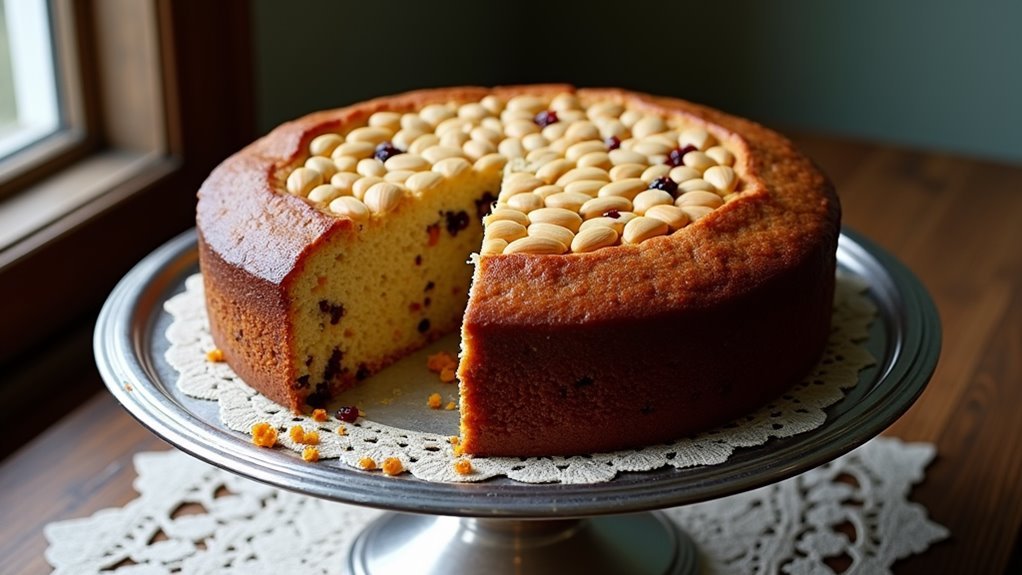
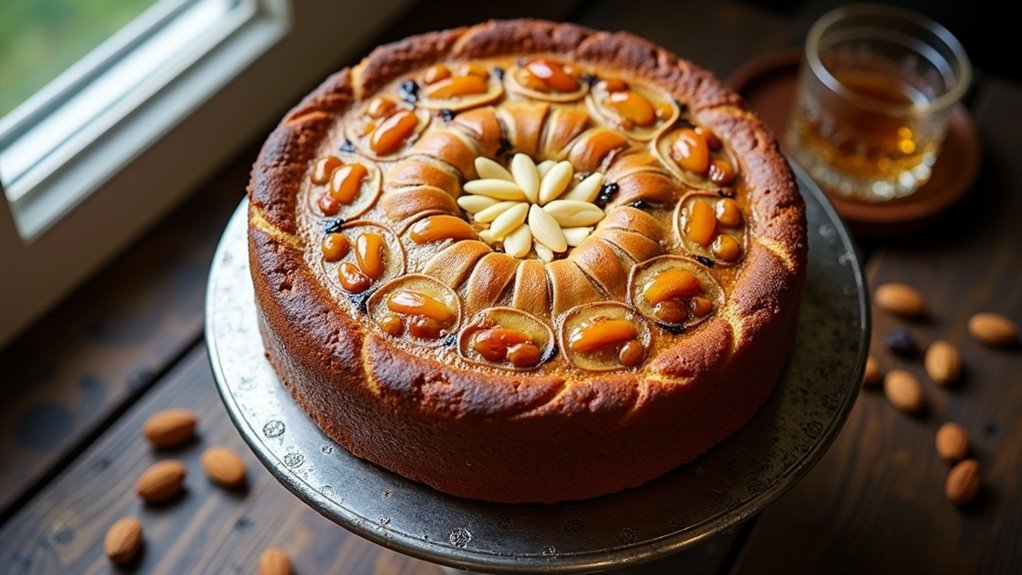
Scottish gem that’s more than just your average fruitcake. This isn’t just a slice of history on a plate; it’s a delicious mix of juicy fruits, almonds, and just a hint of whisky that’ll make your taste buds tingle. Picture this: a beautiful cake, garnished with those perfectly arranged almonds, inviting you in for a taste. And guess what? This cake has been enjoyed by some big names like Queen Elizabeth II and Winston Churchill—no big deal, right?
But let’s keep it real; it’s not just about the fancy guests. This cake packs a punch with its
unique flavor profile that can turn any ordinary evening into a memorable one. So, if you and your partner are looking for something special to whip up together, you’ve hit the jackpot. This Dundee Cake is perfect for
cozy nights in, and it’s easy to make, so let’s roll up those sleeves and get started!
Recipe
While many
traditional Scottish recipes have been passed down through generations, the
classic Dundee cake stands out as one of Scotland’s most beloved fruit cakes.
Start by thoroughly creaming butter with sugar, then fold in flour, baking powder, and dried fruit. You’ll need to grease your cake pan carefully before pouring in the mixture. Keep your oven temperature steady at 150°C (300°F), and once baked, let it cool completely on a cooling rack.
This cherished
Scottish delicacy has graced royal tea tables and wartime cabinet meetings alike. First developed commercially in late 18th-century Dundee, this lighter alternative to traditional fruit cake is said to trace its origins to
Queen Mary’s court in the 16th century.
Distinguished by its characteristic pattern of blanched almonds and delicate balance of citrus and dried fruits,
Dundee Cake earned its reputation as
Queen Elizabeth II‘s preferred tea-time companion and was acutely favored by Winston Churchill during his tenure as Prime Minister.
The cake’s unique recipe, featuring
Seville marmalade and a precise mixture of raisins and sultanas, has remained largely unchanged for generations, leading to its current pursuit of
Protected Geographical Indication status to preserve its authentic Scottish heritage.
Dundee cake is a
traditional Scottish fruit cake that originated in the city of Dundee in the late 1700s. Known for its distinctive decoration of
blanched almonds arranged in concentric circles on top, this
rich cake has been a
staple of Scottish celebrations and afternoon tea for generations.
This classic recipe combines butter, sugar, eggs, and flour with a generous mix of
dried fruits including sultanas, currants, and candied peel. The addition of
ground almonds and
mixed spices gives the cake its characteristic warm, nutty flavor, while a splash of
whisky adds depth and helps preserve the cake.
Mix butter and sugar until light and fluffy. Add eggs one at a time, beating well after each addition. Fold in flour, ground almonds, and spices. Stir in dried fruits, candied peel, and whisky. Pour into a lined
20cm cake tin. Arrange blanched almonds in circles on top. Bake at 150°C (300°F) for 2-2.5 hours or until a skewer inserted comes out clean. Cool completely before serving.
For best results, wrap the cake tin with brown paper or newspaper to prevent the outside from browning too quickly. The cake can be stored for several weeks when wrapped in parchment paper and kept in an airtight container. Some bakers prefer to feed the cake additional whisky through small holes in the bottom over several weeks to enhance the flavor and maintain moisture.
Final Thoughts
Making a
traditional Dundee cake offers bakers of all skill levels a rewarding journey into Scotland’s
rich culinary heritage. It’s amazing to think that both Mary Queen of Scots and Winston Churchill enjoyed this same beloved dessert!
You’ll discover why it’s remained a treasured part of Scotland’s culinary landscape for so long.
Related guides: Lemon Crumb Cake · Marble Pound Cake · Cake Mix Blueberry Muffins